


Traveling To Europe? Cash And Currency Tips
- Aug. 21, 2024
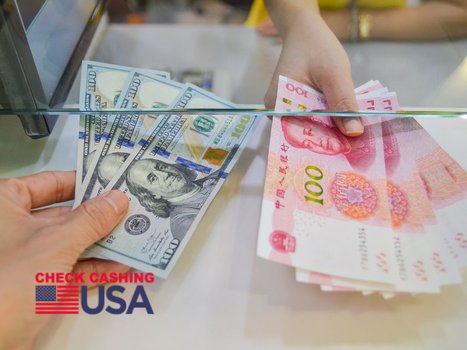
Planning a trip to Europe can be an exciting adventure, but managing your cash and currency efficiently is crucial for a hassle-free experience. One key aspect travelers often overlook is when and where to sell foreign currency. Understanding exchange rates and finding the right time to convert your money can make a significant difference in your travel budget. Before you embark on your journey, it's essential to research the best practices for handling currency exchange, ensuring you maximize your spending power abroad.
Start by empowering yourself with the knowledge of current exchange rates and how they fluctuate. This understanding will give you the confidence to make informed decisions about when to sell foreign currency, whether before you leave or upon arrival. Use online resources and financial apps to monitor these rates closely. Be cautious of exchanging money at airports or tourist hotspots, where fees and unfavorable rates are common. Instead, look for reputable banks or currency exchange services that offer competitive rates with minimal fees. By taking these steps, you can avoid unnecessary expenses and enjoy your European travels with a sense of financial control.
Understanding Currency Exchange: A Guide to Navigating the World of Foreign Exchange

What is Currency Exchange?
Currency exchange is the process of converting one country's currency into another. This is essential for international trade, travel, and finance. Whether you're planning a vacation abroad or dealing with global suppliers, understanding how currency exchange works can help you manage your finances more effectively and avoid unnecessary fees.
RELATED: Decoding the Essentials: A Beginner's Guide to Foreign Currency Exchange
How Exchange Rates Determine Value
Exchange rates are pivotal in currency exchange, determining how much of one currency you can get in exchange for another. These rates fluctuate based on various factors, including economic indicators, market demand, and geopolitical events. For example, if you're traveling from the U.S. to Europe, you'll need to know how many euros you can get for your U.S. dollars, which depends on the current exchange rate. A 'favorable' exchange rate means you get more of the foreign currency for your domestic currency, while an 'unfavorable' rate means you get less. Understanding these terms can help you make better decisions when exchanging currency.
Factors Influencing Exchange Rates
Several factors impact exchange rates, including interest rates, inflation, and a country's overall economic stability. High interest rates often attract foreign capital, leading to an appreciation of the currency. Conversely, a country experiencing inflation might see its currency value decrease. Political stability and economic performance also play crucial roles, as investors prefer stable environments.

The Process of Exchanging Currency
Exchanging currency can be done through banks, currency exchange services, or online platforms. Here's an example: suppose you are traveling from the United States to Japan. You decide to exchange USD 1,000 for Japanese yen. You visit a local bank or an online service to initiate the exchange. They will provide you with the current exchange rate and the amount of yen you will receive for your dollars. It's important to consider any fees or commissions that might apply, as these can affect the amount you receive. Once the exchange is complete, you will have the local currency in hand, ready for your travels.
Practical Tips for Currency Exchange
To get the best value, it is advisable to monitor exchange rates and compare options. Avoid exchanging money at airports, where rates are often less favorable. Utilize online tools to track rate changes and plan your exchanges accordingly. By understanding the basics of currency exchange and the factors that affect rates, you can make informed decisions and maximize your purchasing power abroad.
Smart Currency Exchange Tips for Your European Adventure

Timing is Everything: When to Exchange Currency
When planning your travels to Europe, buying foreign currency before you leave home is tempting. However, this often results in poor exchange rates. Instead, wait until you arrive in Europe to withdraw local currency from an ATM. European airports are well-equipped with ATMs, allowing you to access better rates without losing money to unfavorable conversions.
Avoid High Fees and Maximize Your Money
Be mindful of high fees that can eat into your travel budget. Cash exchanges can be costly, with conversion rates consuming 5 to 10% of your money. If you must exchange cash, choose locations that don't levy extra commissions. Always compare the buy and sell rates—the difference should ideally be less than 10%. In emergencies where card payments fail, be cautious and seek banks that offer fair rates. By avoiding these high fees, you can feel more secure in your financial decisions and enjoy your travels with peace of mind.
Embrace the Local Currency
While it might be convenient to find places accepting U.S. dollars, it typically comes at a high cost due to poor conversion rates. To truly immerse yourself in the local culture and economy, always pay in the local currency to avoid hidden fees. For non-euro countries like Switzerland, using local currency will ensure you get the best value for your money and feel more integrated into the local community.
Plan Cash Withdrawals Wisely
Frequent ATM visits can rack up fees, so plan your withdrawals to minimize costs and avoid ending up with excess currency when crossing into different currency zones. Spend coins before leaving a region, as they can accumulate into significant sums and become worthless once you move to a new currency zone.
Stay Informed and Confident
Understanding currency systems and exchange rates is crucial for budgeting effectively. Use apps for real-time conversions and quiz yourself to become comfortable with the local currency. This practice will ensure you're not overcharged and help you manage your travel budget efficiently.
By following these tips, you can enjoy a stress-free experience managing your finances while exploring Europe, allowing you to focus on the adventure rather than worrying about money.

Maximize Your Travel Budget: Buy or Sell Foreign Currency at Check Cashing USA Before Europe
As you gear up for your European escapade, it's crucial to have the local currency at your fingertips for a smooth journey. Check Cashing USA, with its strategically located branches in Miami, offers a golden opportunity to buy and sell foreign currency before you set off. By exchanging your currency at these convenient spots, you can lock in better rates than those typically found at airports or banks, allowing you to make the most of your travel budget. With real-time exchange rates and minimal fees, Check Cashing USA ensures you can travel with peace of mind, knowing you've made a prudent financial decision before boarding your flight.
But the advantages of Check Cashing USA continue even after your trip. You can avoid the hassle and unfavorable rates at airport exchange counters by selling your leftover foreign currency at any of their Miami locations. They offer competitive rates and a simple process, ensuring you get the best value when you sell foreign currency such as euros or pounds back to USD. By choosing Check Cashing USA, you save money and benefit from the convenience and reliability of a trusted local service, making them the perfect partner for all your currency exchange needs.

Beware of Currency Traps: How Travelers Get Ripped Off in Europe
Travelers embarking on a European adventure often face the risk of losing money through unfavorable currency exchange practices. A common pitfall is converting currency at airports or major train stations, where exchange desks can charge exorbitant fees, sometimes resulting in a loss of up to 15% of your money. These convenient locations often offer some of the worst rates, taking advantage of tourists who feel pressured to have local currency as soon as they arrive.
Another frequent issue arises when travelers use U.S. dollars in stores that accept foreign currency—usually at a significant markup. For instance, in places like Switzerland, where both euros and Swiss francs are used, tourists might find prices listed in euros but pay much more due to poor exchange rates. Additionally, using a credit card for cash advances should be reserved for emergencies only, as it incurs hefty fees that can quickly add up. To avoid these costly mistakes, travelers should seek out local ATMs for better rates or exchange currency before leaving home at reputable services like Check Cashing USA.